
The use of company property for private purposes is a topic that has been dealt with in Slovakia for years. The Ministry of Finance has reopened it as part of the consolidation package , this time in particular for company cars. In practice, however, this is a much wider issue, which affects the fairness of the business environment.
It is common practice for a director or partner to use the company car for private driving, to take loans from the company instead of dividends or to pay expenses unrelated to the business through the company. From a holiday in Thailand to a garage door on the family home, there is no limit to creativity.
On the face of it, it is “just” about spending. In reality, however, it has three serious consequences:
1. Loss of revenue for the state – less money for the budget and a higher deficit.
2. Unfair competition – those who artificially lower their costs have an advantage over honest entrepreneurs.
3. Legal uncertainty – entrepreneurs do not know whether they face only additional taxation or also criminal sanctions.
The Ministry of Finance has introduced a 50/50 flat rate for company cars. Although the aim is to reduce administration by not requiring the entrepreneur to keep a logbook for VAT purposes, the logbook will have to be kept by the entrepreneur for employment tax purposes.
Similarly with other rules, laws are often proposed in isolation from other rules, unsystematically and disconnected from the reality of the business environment (see for example the issue of the so-called shvarc system).
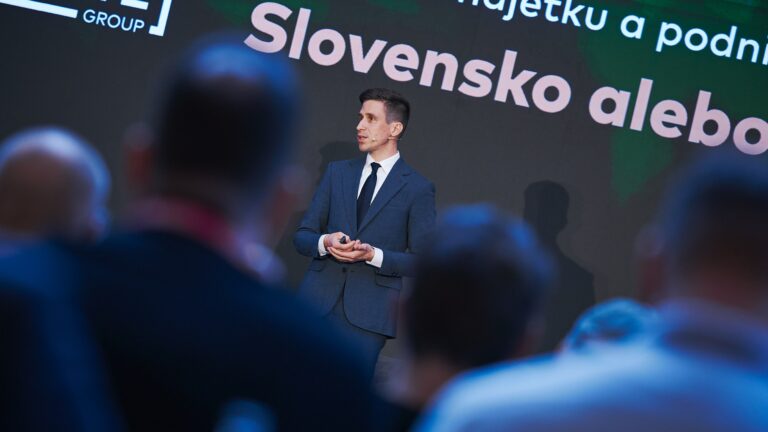
Peter Varga of the Highgate Group points out that the distortion of the business environment is a serious problem:
The use of company property for private purposes can have several consequences:
For entrepreneurs, it is crucial to know where the line is and to have the rules set clearly and predictably.
More on this topic in our Highgate Talks podcast with Peter Varga and Lenka Buchláková here:
The company car debate is only a fraction of the larger problem. The business environment needs simple, consistent and fair rules. This is the only way to remove distortions, increase business confidence and ensure that competitive advantage comes not from circumventing the law, but from the real quality of business.
We are the Highgate Group – an expert legal, tax and accountancy firm that has long helped businesses navigate the changing legislative environment.
Are you interested in such topics? Subscribe to our newsletter and don’t miss any news from the world of business.
If you are interested in this topic, please do not hesitate to contact us:
Peter Varga, e-mail: peter.varga@highgate.sk
Alternatively, you can address your specific questions in a consultation with our partner Peter Varga, who specialises in financial regulation and tax law. You can book a consultation here: