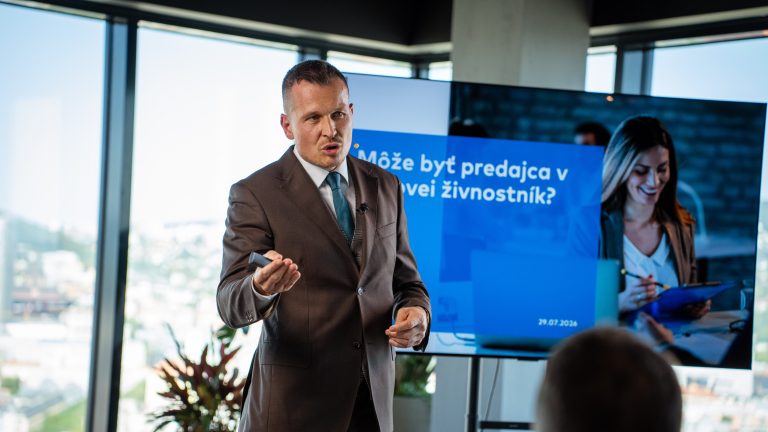

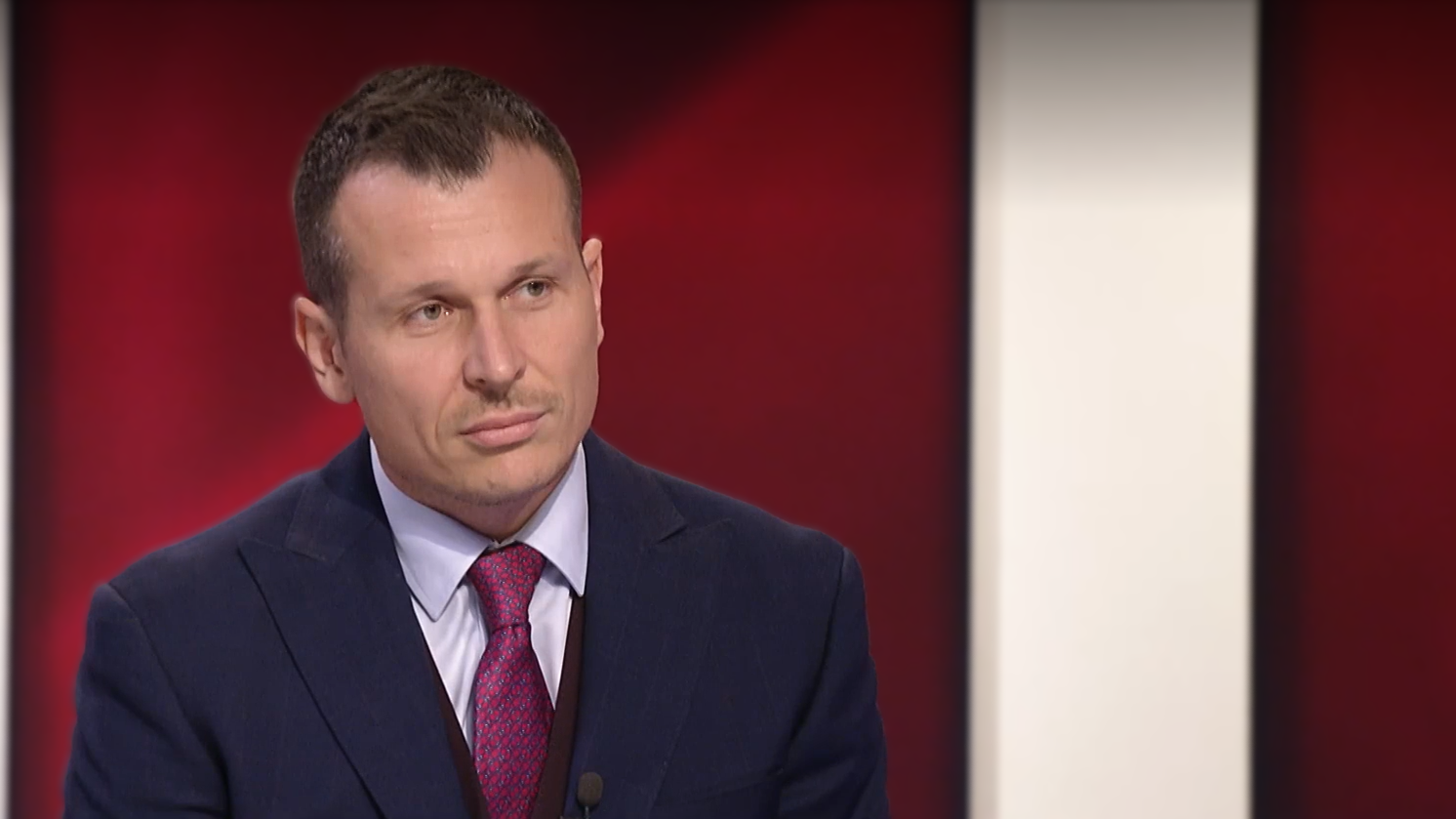
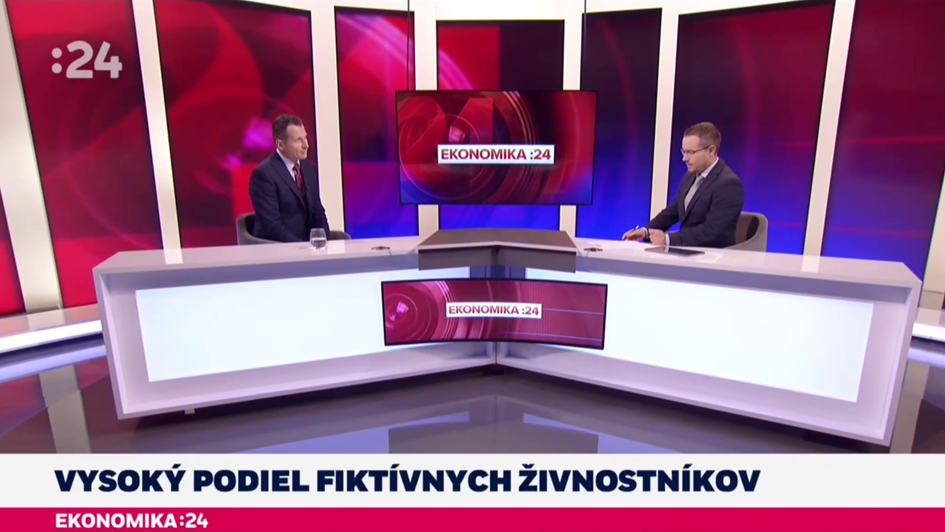
Slovakia is one of the countries with the highest number of fictitious traders in the EU. According to the SAO, their number has risen from 84 thousand to almost 110 thousand in the last decade and there may be even more of them in reality. Is this just proof that Slovaks are bending the rules? Or is it the result of an economy that has changed dramatically over the last 20 years, but legislation has remained in the past? The topic is explained by Peter Varga, who has been working on employment law structures, taxation and levies for a long time as part of his consultancy practice at Highgate Group and recently spoke about it as a guest RTVS in the programme Economy 24.
Today’s labour market works very differently than it used to. Rules that were created in a different economic period can no longer respond to the realities of today. Unemployment is historically low, companies are struggling for people and workers are looking for flexibility and higher net income. At the same time, the cost of labour is rising, which the state is burdening heavily with its levies and taxes.
When we compare an employee and a freelancer at the same “value of work”, the difference is abysmal. At a gross wage of 2 500 euros, an employee of an employer is worth about 3 400 euros, while a “contractor” billing 2 500 euros has a net of about 300 euros more than if he were an employee. There is a fundamental implication in this mathematics: the State loses more than a thousand euros a month in each such relationship.
Naturally, the motivation is on both sides. The employer saves, the employee has a higher income and flexibility. And although the state talks about fighting the “shvarc system”, the reality is that it is the state’s own settings that push entrepreneurs and workers towards it.
The problem is not only at the level of public finances. The most dangerous is the legal ambiguity that the legislation leaves in defining who is a genuine sole trader and who is already effectively working as an employee.
Between these two categories there is a wide “grey area” where the boundary is often not even precisely defined by practice itself. While the state has instruments of control, especially through labour inspectorates, their application is often ambiguous and sanctions can be devastating for companies. The business environment is thus exposed not to stable rules, but to unpredictability, which is always the worst thing for business.
Slovakia is trying to respond to the problem through legislation, but the changes brought about by the latest consolidation package only further encourage this phenomenon. In fact, the tax burden has risen more thanks to consolidation than for contractors. Moreover, many contractors are considering Czech trades, which naturally represents an even greater disaster from the point of view of Slovak public budgets.
In addition to this, other elements of the system also increase the deformation. Generous lump-sum expenses for trades or the overly benevolent tax treatment of small LLCs may look attractive, but they distort the labour market in the long term and reduce the incentive to participate in the social system.
If we want to understand why sham trades are proliferating, we first need to stop pretending that this is a problem of “naughty entrepreneurs”. This situation says much more about how the economy is changing.
People want to work more freely, they don’t want to be bound by strict working hours and traditional employment mechanisms. Companies need to retain talent and compete with employers from abroad, where flexibility is a natural part of the work culture. However, Slovak legislation still does not reflect this reality sufficiently.
The answer to the problem of bogus trades is not to further tighten sanctions. Rather, it lies in a more targeted and functional adaptation of the system.
Limiting extremely generous lump-sum spending, sensibly reducing the cost of labour for employers, adjusting the social insurance model or introducing clear boundaries between the employee-contractor relationship would help. It is also important that legislation finally takes into account the fact that more flexible forms of work are no longer a fringe phenomenon, but the standard of the modern market.
Fictitious trades are not the result of a simple attempt to circumvent the rules. Rather, they are proof that the Slovak tax and labour law environment cannot keep up with the economy. Companies and workers are naturally looking for more efficient models, but the state is responding with largely cosmetic and punitive measures that do not address the problem at its core.
This issue is a flagship issue here at Highgate. We deal with it from tax, regulatory, constitutional and procedural and practical perspectives. And that’s why we also design effective procedural structures for our clients to prevent the administrative authorities from encroaching on our clients’ businesses and assets.
Our ultimate goal is to ensure that entrepreneurs can operate with contractors without being subjected to disproportionate penalties and liquidated damages. Should you be interested in our solutions, we are at your disposal.
We are the Highgate Group, modern advisors for your law, tax and accounting under one roof.
If you want more expert commentary and practical guidance, subscribe to our newsletter.
If you are interested in this topic, please do not hesitate to contact us:
Peter Varga, e-mail: peter.varga@highgate.sk
Alternatively, you can address your specific questions in a consultation with our partner Peter Varga, who specialises in financial regulation and tax law. You can book a consultation here: