

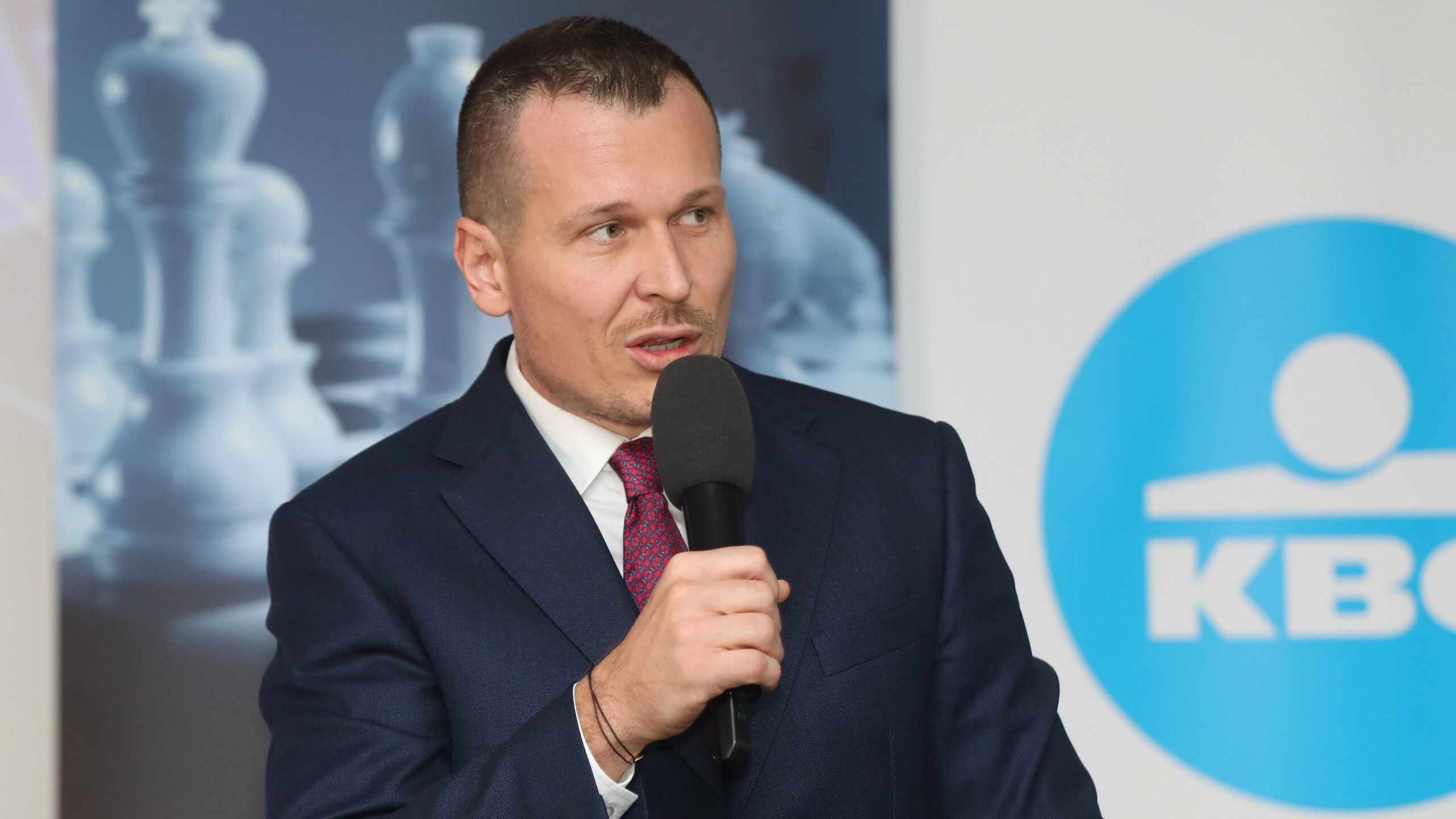
Slovak mutual funds are regulated, they are supposed to protect investors and build trust in the capital market. Nevertheless, their tax set-up often works out worse in practice than direct investing, investing through a trading company or even “fund” structures based on bonds. Here we summarise the key reasons why this is a problem, what the state is (unwittingly) encouraging and what rational adjustments could bring the Slovak regime closer to the principle of tax neutrality. Peter Varga addressed the topic in his lecture at a conference on collective investment organised by the Slovak Association of Asset Management Companies.
In the Slovak regime, the basic premise applies: a mutual fund is not a taxpayer. The practical consequence is that returns are typically taxed only at the investor level (e.g. when the unit is redeemed or on income).
However, this “detail” becomes crucial, especially for cross-border investments. If the fund is not a recognisable entity abroad (e.g. for the purposes of double taxation treaties), more disadvantageous withholding taxes may apply and the investor will pay more even where he would pay less under a standard legal and tax personality.
In a typical Slovak real estate fund structure (fund + real estate companies under it), the resulting effective taxation can reach approximately 36% (combination of corporate tax in the real estate company and subsequent taxation at the investor level).
When we put this alongside the alternatives, a stark contrast emerges:
The bottom line is not academic. The bottom line is that the tax system pushes investors into less regulated (and often riskier) structures, even though the stated purpose of fund regulation is investor protection and financial market stability. It is therefore mutual funds that should not be tax disadvantaged.
For equities and dividends, the problem is even more accentuated in the international context. If the fund is not a recognisable entity for double tax treaty purposes, it may be that higher withholding will apply abroad (e.g. on dividends), and consequently even more taxation at the investor level.
The result: fund investing is worse for tax purposes than direct holding or holding through a company, despite the fact that the fund is strictly regulated (concentration limits, risk allocation rules, governance, etc.) and thus brings stability and predictability for the investor and for Slovakia.

The comparison with what the state declares (explicitly and implicitly) is interesting:
This is the exact opposite of what a system that wants to build capital markets and investor confidence should be doing.
There are three specific consequences of setting the rules in this way:
1. Discrimination against Slovak investment infrastructure – domestic funds are at a disadvantage compared to foreign funds.
2. Diverting investors to less regulated solutions – the tax system distorts decision-making and increases market risk.
3. Export of tax revenues – when investing across borders, more is unnecessarily paid abroad, instead of more value being “returned” to the Slovak system in a more efficient setup.
One viable route is to grant a mutual fund sui generis tax personality for income tax purposes (even without making it a legal entity). Subsequently, a regime can be considered that:
You can watch the full lecture by Peter Varga at the SASS conference here:
If you are interested in this topic, please do not hesitate to contact us:
For more in this area, please visit the Capital Markets and Investment Legal and Tax Structures section of our website.
If you are interested, you can subscribe to our newsletter for interesting practical legal and tax information.
Alternatively, you can address your specific questions in a consultation with our partner Peter Varga, who specialises in financial regulation and tax law. You can book a consultation here: