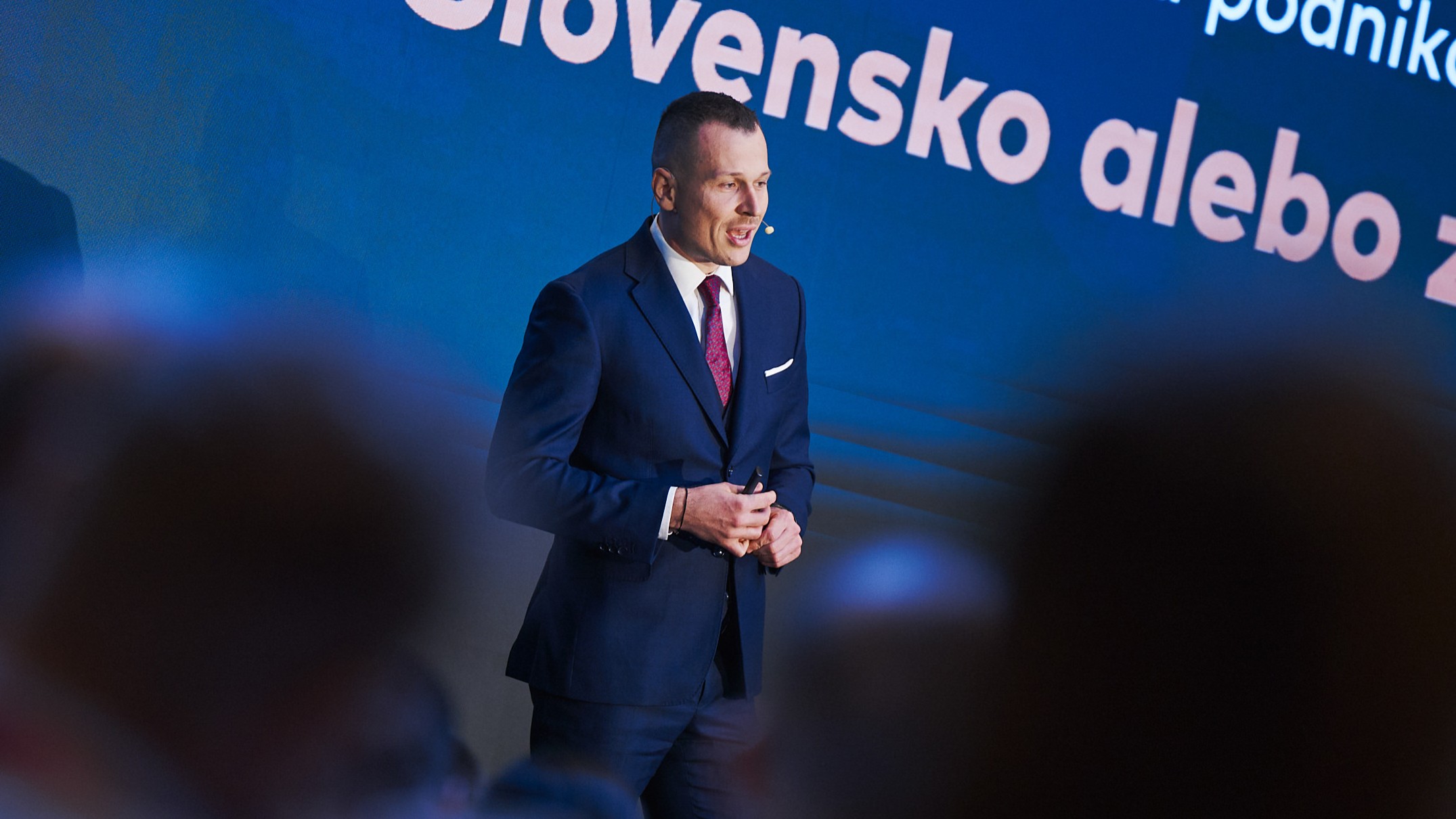
The Slovak business environment has one unpleasant feature: it often does not punish dishonesty, but makes honesty expensive. In practice, therefore, the entrepreneur does not decide between “good and evil”, but between naivety and pragmatism. At the Business and Property Protection Conference, therefore, we deliberately avoided moralising and focused on the only issue that makes sense in practice, which is both lawful and defensible in the long run.
The story of the three car parks in the Tatras is not an anecdote (one car park did not issue tickets, the second had a black employee and the third was run by a civic association), but an exact metaphor of how the system works. It does not matter who was “dishonest”. What matters is that in an environment with weak enforcement, people only behave in a compliant manner up to the real risk of sanction.
The same logic works in business. If:
the system naturally creates pressure to circumvent. This does not mean that entrepreneurs are “bad”. It means that they are reacting to the setting of the environment in which they operate.
That is why business protection in Slovakia is less about morality and more about understanding the reality of the system.
Concepts such as justice, fairness and honesty sound good, but they are elusive in law and tax. Just ask what the tax rate should be and you will get a number of perfectly legitimate but contradictory answers.
But the law offers one objective compass:
is it lawful or not.
Legal pragmatism stands on this very point. It does not evaluate whether something is “nice” or “moral,” but whether it is:
The pragmatic approach to entrepreneurship always has three levels:
1. Substantive – what the law allows (e.g. setting the remuneration of the managing director, structure of holdings, classification of income).
2. Economic – whether the solution makes sense without the tax effect.
3. Procedural – what happens if the Authority chooses a different interpretation.
It is the third level that is crucial in Slovakia. It is not enough to be “right in the law”. It is crucial who will be the addressee of the control, where the risk arises and whether the structure is defensible in litigation.
Whether it is executive compensation, investment taxation, cryptocurrencies or foreign holding structures, the common denominator is the same: the law often allows for more solutions than meets the eye.
The difference between a legal optimization and a problem does not usually lie in percentages, but:
Legal pragmatism does not mean looking for shortcuts, but understanding the system and working with it so that the entrepreneur is not unnecessarily exposed.
Legal pragmatism is not about circumventing the law. It is about not being naive in an environment that itself does not function ideally, while remaining within the framework of objective law.
At Highgate Group, we approach business protection, asset protection and tax and legal structures in this way, without moralizing, with an emphasis on legality, procedural defense and long-term sustainability of solutions.
We are the Highgate Group, modern advisers for your law, tax and accounting under one roof.
If you want more of these practical insights from the business world, sign up for our newsletter.
If you are interested in how to do business legally but pragmatically in an environment that does not make it easy for you, we will discuss these topics in detail at our conference “Why (how) to stay in Slovakia?”
Check out the aftermovie from our last conference in the fall of 2025:
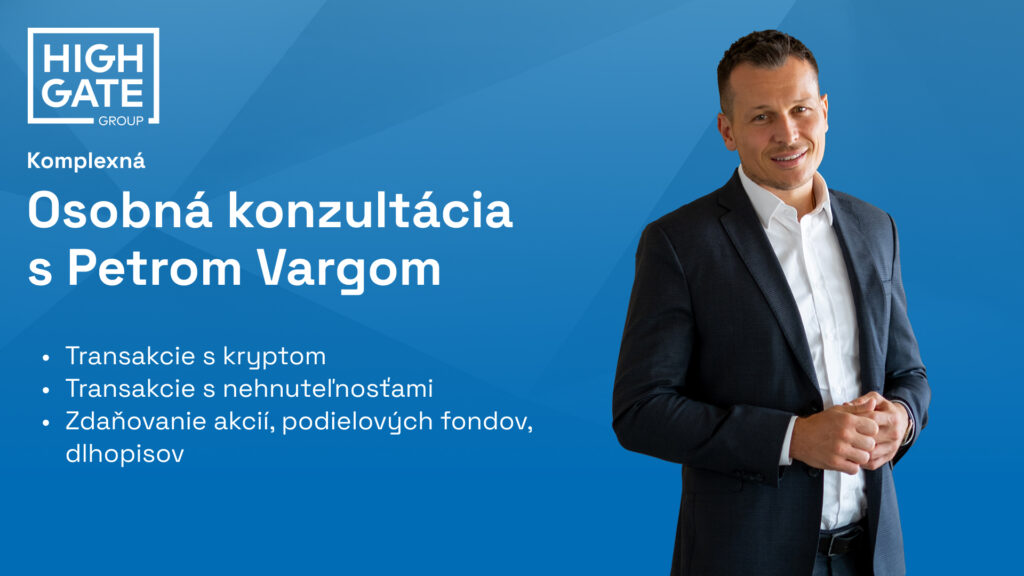
You can also address your specific questions in a consultation with our partner Peter Varga, who specialises in financial regulation and tax law. You can book a consultation here: