What if companies in Slovakia didn’t pay income tax as long as they kept their profits within the company and reinvested them?
The Estonian tax model is based precisely on this principle. According to SaS’s calculations, its implementation could leave approximately 2.5 billion euros in companies during the first few years. This would not be a tax waiver, but rather a deferral of the tax until the profit is paid out or otherwise distributed to the owners.
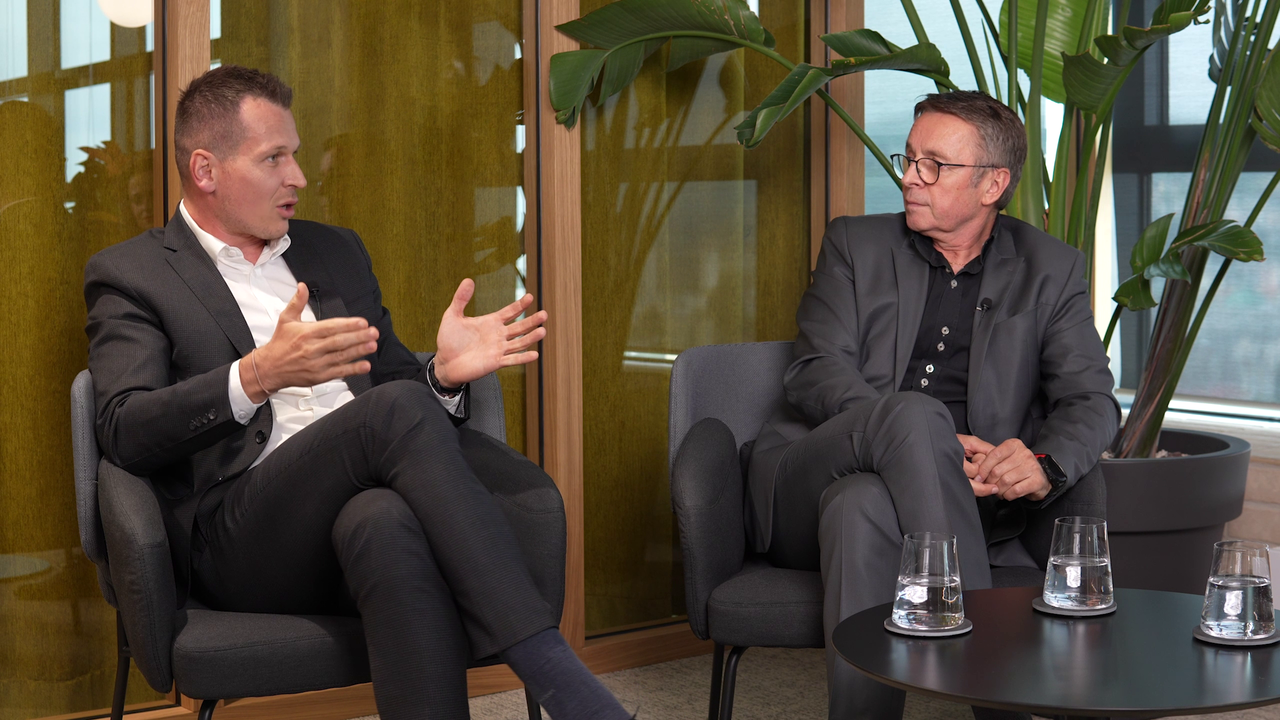
The guest on this episode of Highgate Talks is Marián Viskupič, vice chair of the Freedom and Solidarity (SaS) party. The interview is conducted by Peter Varga, a partner at Highgate Group.
In this discussion, you’ll learn:
- how the Estonian tax system would work in the Slovak context,
- why it could be particularly helpful to small and family-owned businesses,
- what shortfall it would cause in public finances,
- whether a flat tax rate of 19% is realistic,
- Why is SaS proposing a zero tax on dividends,
- whether the financial transaction tax should be repealed,
- how to simplify tax laws and limit exemptions,
- Why did the Income Tax Act grow from approximately 32,000 to 114,000 words,
- how the “Švarc” system and the relationship between self-employed individuals and employees should be addressed,
- whether the time test will remain in effect for securities and ETFs.
Is the Estonian tax model a real game-changer for Slovakia, or does it represent too drastic an intervention in an unstable tax system? And can the government develop a reform that is simple, technically sound, and predictable?

▶️ You’ll find out in this interview.