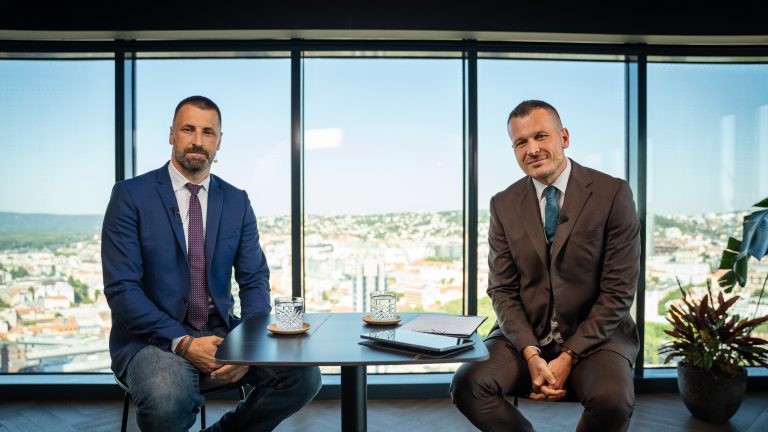
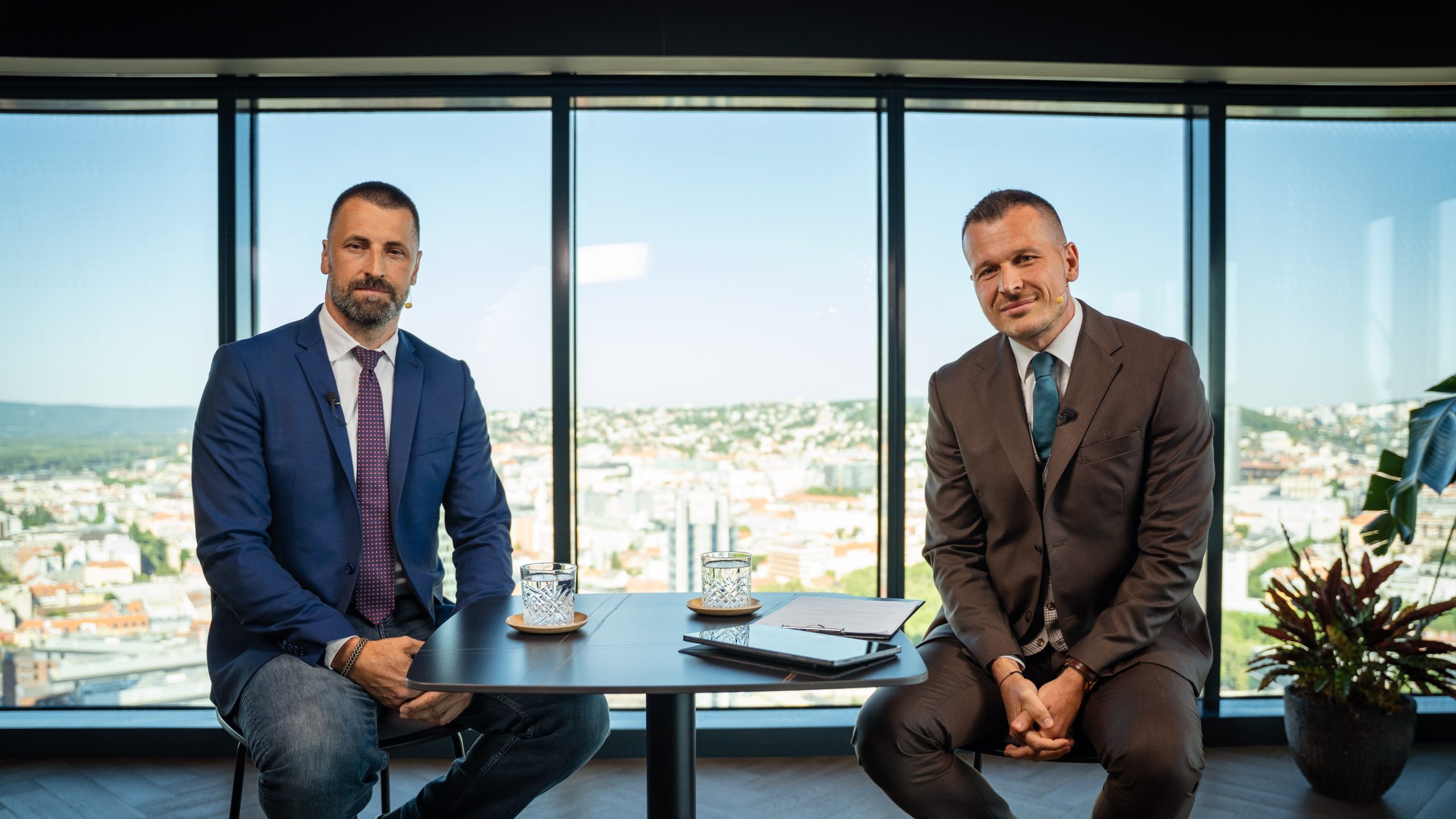
It may seemitprofit andand when it is paid outchange changethe Slovakbusiness entrepreneurshipsbusinessbusiness environment? Is it… Ohmodel of responsetoto the departure of capitalfrom, nía lossandand weakcompetitiveness competitivenessSlovakia? of Slovakia? In Episode 48 Ohfrom the Highgate Talks podcast Peter Varga and SaS Vice Chair Mari discussed the issueán BishopsNo. about that, No.which could bringť estOhnska daň, forNo.Entrepreneurs needú prevídateľné environment and No.Slovakia also needs more thanž just moreoršie No.partsé yesňové úedits.
In the business community, there is often discussion about how high taxes are. However, their stability is an equally important issue. After all, entrepreneurs make investment decisions years in advance and need to know what the business environment will be like five or ten years from now.
The predictability of legislation was one of the main topics of discussion between Peter Varga and Marián Viskupič. It is not enough to simply change individual tax rates. If the rules change every few months, entrepreneurs naturally postpone investments or shift them to countries with greater legal certainty.
That is one of the reasons why, at Highgate Group, we do not limit our tax planning for clients to the current wording of the laws. It is equally important to assess their long-term sustainability, the legislative and practical risks, and the practical implications for business.
Listen to the entire Highgate Talks #48 podcast, in which Peter Varga and Marián Viskupič discuss these topics in greater detail, using specific examples:
One of the most discussed topics on the podcast was the so-called Estonian corporate tax model.
Its basic philosophy is simple. A company does not pay income tax at the time the profit is generated, but only when the owners distribute it to themselves. As long as the profit remains in the company and is used for further investments, it is not taxed.
According to Marián Viskupič, such a system could significantly help small and family-owned businesses in particular, which make up a significant portion of the Slovak economy. This is because more funds would remain within the companies for modernization, innovation, or further growth, rather than entrepreneurs having to look for ways to optimize their immediate tax burden.
Peter Varga objected to these arguments as well as to the idea that Slovakia has the potential to implement such a major reform. Peter cited several reasons why optimism regarding the Estonian tax is unwarranted.
The discussion also touched on the ever-increasing complexity of the Slovak tax system.
Exceptions, varying rates, special regimes, and a multitude of detailed rules are often introduced with good intentions, but in practice they increase the administrative burden and create room for ambiguity. It is precisely the complexity of the legislation that leads entrepreneurs to focus primarily on administrative tasks and tax planning rather than on growing their businesses.
During the discussion, Peter Varga pointed out that simpler rules would benefit not only businesses but also the government. Fewer exceptions mean fewer disputes, easier enforcement of laws, and greater legal certainty.
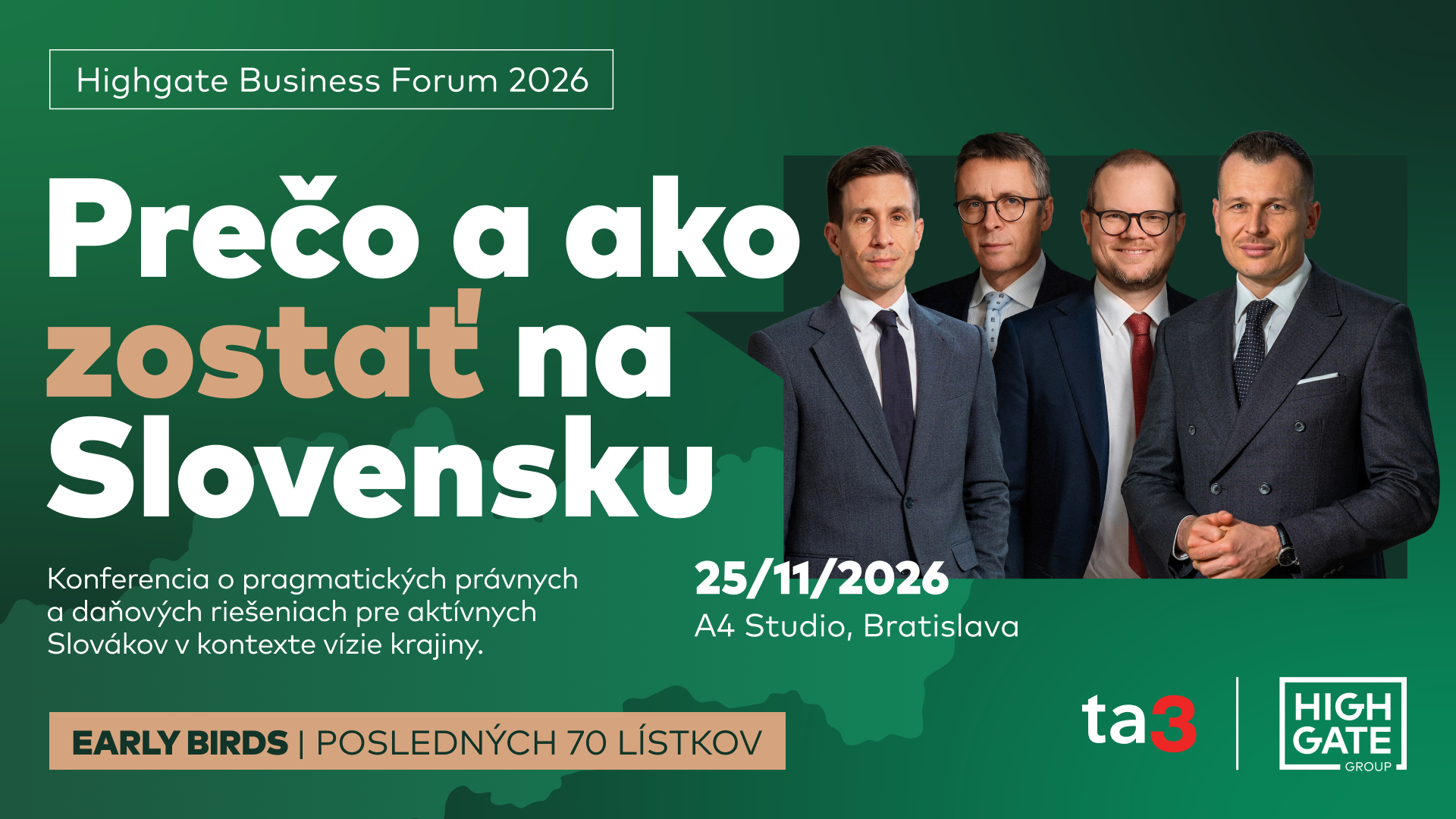
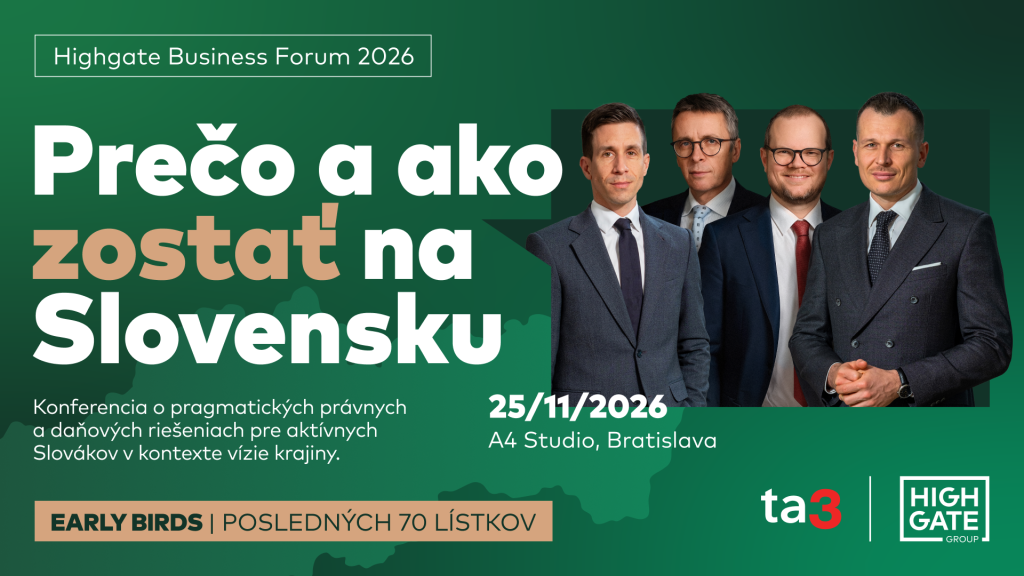
We will be addressing this very issue in greater detail at our conference , “Why and How to Stay in Slovakia?”, which will take place on November 25, 2026. We will discuss how to run a business effectively in Slovakia, how to set up ownership and tax structures, and what changes can be expected as legislation continues to evolve.
At the conclusion of the discussion, it was noted that a country’s competitiveness is not determined by a single tax rate or a single legislative measure.
What matters is a combination of high-quality laws, a stable business environment, an efficiently functioning government, and business owners’ confidence that the rules will not be constantly changing.
That is precisely why, at Highgate Group, we have long been dedicated to issues such as tax planning, asset protection, business structures, and strategic business planning. It is not enough simply to know the law. What matters is understanding how its individual rules work in practice and what impact they will have on business in the future.
We are the Highgate Group, modern advisors for your legal, tax, and financialaccountingaccountingaccountingall under one roof.under one roof.
If you are interested in this topic, please do not hesitate to contact us:
If you are interested, you can subscribe to our newsletter for interesting practical legal and tax information.
You can address your specific questions in a consultation with our partner Peter Varga, who specializes in financial regulation and tax law. You can book a consultation here: