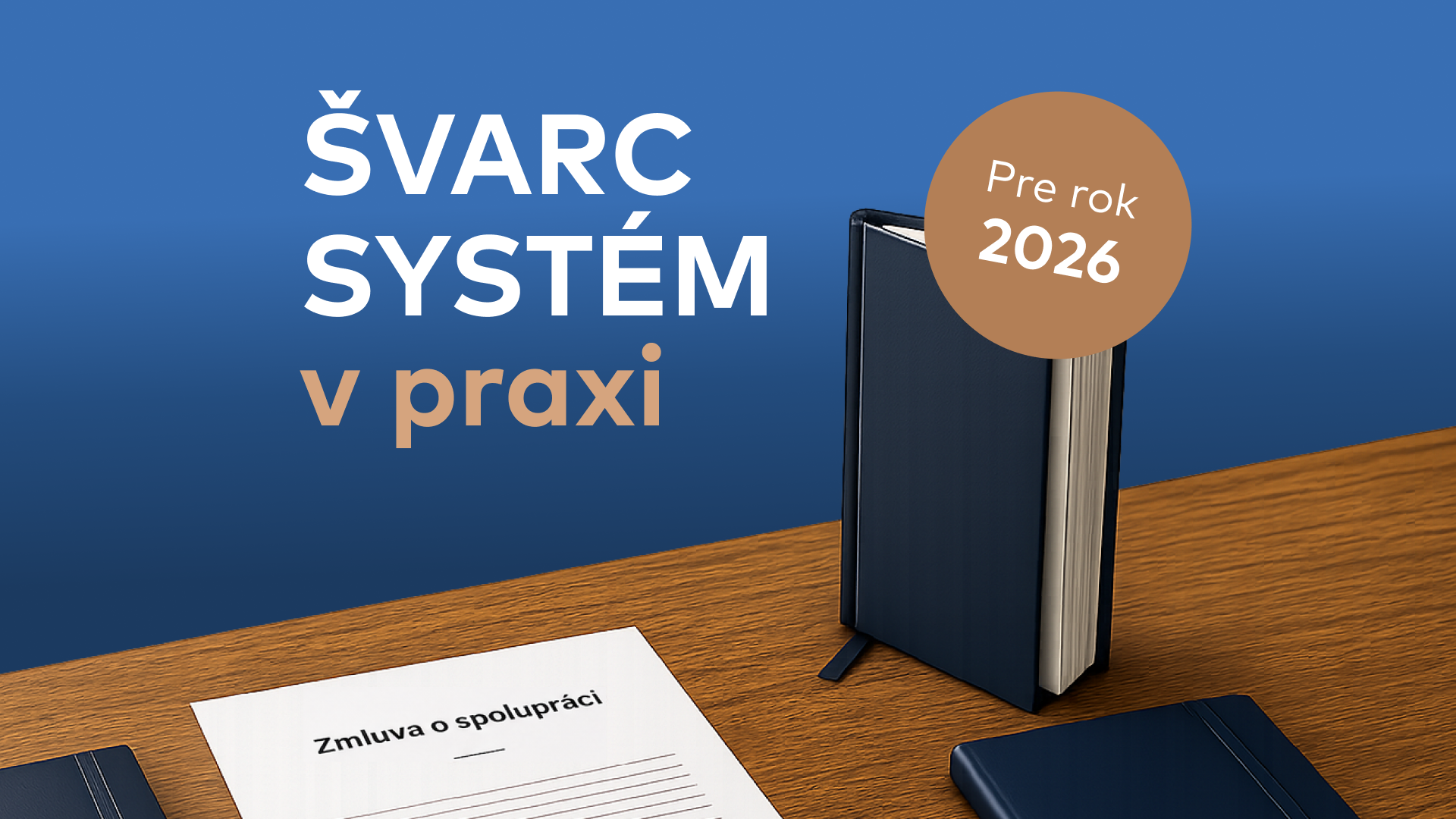
The “Švarc” System: How the Labor Inspectorate Monitors Companies

Is it enough to have more clients, work from home, or set up a single-member limited liability company (s.r.o.) instead of operating as a sole proprietorship for the collaboration to be securely classified as B2B? Not necessarily. When assessing the “Švarc system,” it’s not just the name of the contract that matters, but primarily how the person actually works.

In the 49th episode of Highgate Talks, Peter Varga spoke with Juraj Hajš, director of the Trenčín Labor Inspectorate, about how inspections for illegal employment are conducted and how inspectors distinguish between self-employment and salaried work.

In this podcast, you’ll learn:

  • whether the labor inspectorate is required to give advance notice,
  • what inspectors may check and record,
  • Why does having more customers not automatically mean a legitimate business,
  • how contractors in IT, marketing, construction, and manufacturing are evaluated,
  • whether working from home or a single-member limited liability company could be a solution,
  • how to balance a job with B2B collaboration,
  • When can the service recipient also be held liable for illegal employment,
  • whether the inspectorate also responds to anonymous complaints.


As of January 1, 2026, the fine for violating the prohibition on illegal employment ranges from €4,000 to €200,000. If two or more people are employed illegally at the same time, the fine is at least €8,000. A final fine may also result in other authorities being notified and subsequent inspections.

Watch the full interview and find out which collaboration settings pose the greatest risk to companies.

Related products and activities

CONTACT

Need help or advice? Reach out to us.

Law & Tax
Tomas Demo
tomas.demo@highgate.sk

Accounting
Peter Šopinec
peter.sopinec@highgate.sk

Crypto
Peter Varga
peter.varga@highgate.sk