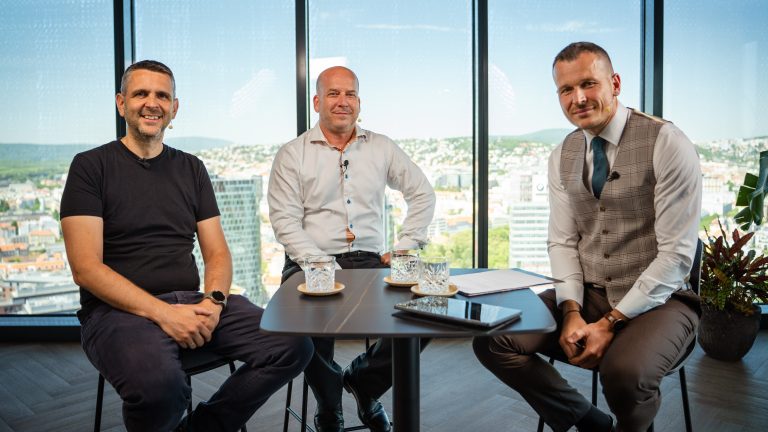

The transaction tax has not only imposed a new cost on Slovak businesses but has also raised the question of how to legally minimize it. One option is electronic money orders, which the law has exempted from the tax. But is taking advantage of this legal exemption legitimate tax optimization—or is it an abuse of the law? We discussed this as well in Episode #51 of the Highgate Talks podcast with Transakcio founders Peter Šebo and Martin Markovič.
Virtually since its introduction, the financial transaction tax has motivated business owners to seek ways to minimize its impact. Companies began consolidating payments and making greater use of credit cards and other forms of payment not subject to tax under the law.
One of these is postal money orders. The law explicitly exempts them from the transaction tax.
This is precisely the option utilized by Transakcio, a service founded by Peter Šebo and Martin Markovič of PS Digital. The concept is essentially simple: instead of individual bank transfers, the company processes payments via electronic money orders.
The business owner generates an XML file containing payment information from their accounting or other internal system. The entrepreneur then uploads this file to the Transakcio system, which prepares electronic postal money orders. The company then makes a single payment to the Slovak Post’s account, and the Slovak Post ensures that the individual payments are delivered to the recipients.
From the company’s perspective, this does not represent a fundamental change to its internal processes. According to Peter Šebo and Martin Markovič, the additional administrative work involved in a typical batch of payments amounts to only a few seconds or minutes.
In the 51st episode of Highgate Talks, we discussed how this solution works, its practical applications, and the legal question of whether it constitutes legitimate tax optimization or an abuse of the law.
The entire 51st episode of Highgate Talks You can listen to it here:
The use of electronic mail-in coupons is not free of charge. Slovenská pošta charges a fee for the service, and costs are also incurred when using the Transakcio solution itself.
The economic logic therefore depends on the volume and structure of payments.
According to the data presented in the podcast, depending on the composition of the payment batch, the savings can amount to approximately 30 to 80 percent of the original transaction tax cost. This solution is therefore of the greatest economic significance for companies whose monthly transaction tax amounts to hundreds to thousands of euros.
The service is based on a percentage of the savings achieved. According to information provided in Highgate Talks, Transakcio’s fee is 15% of the amount saved.
However, when assessing the economic impact, it is always necessary to take the specific payment structure into account. Therefore, this model does not automatically pay off for every business owner.
From a legal perspective, a much more interesting question is whether a business owner may use a particular payment method primarily to avoid a transaction tax.
The mere fact that a tax motive is involved does not automatically imply illegality.
In tax law, it is necessary to distinguish between legitimate tax optimization and a situation in which a taxpayer, while formally complying with the law, abuses its purpose through his or her actions.
A typical example would be the artificial division of business operations among several companies for the sole purpose of avoiding a specific tax liability. Formally, each individual step may be permissible, but when assessing the arrangement as a whole, the decisive factor may be whether there has been an abuse of rights.
The situation with postal money orders is unique.
The legislature has explicitly excluded them from the scope of the transaction tax. Another problem with the current legislation is that it does not clearly explain why certain forms of payment are subject to taxation while others are not.
If the law allows a business owner to choose between two payment methods, one of which is subject to tax and the other is not, the mere choice of the more tax-advantageous option cannot automatically be considered an abuse of rights.
It can be compared to a car trip from Bratislava to Košice. The driver can choose either the highway, for which a toll sticker is required, or a first-class road, for which no such fee is charged. The fact that the driver chooses the second option precisely to save money does not in itself constitute a violation of the law.
In this analogy, the transaction merely “makes the first-class journey more pleasant” from a technological standpoint—it automates a method of payment that is recognized by the legal system and that the legislature has exempted from taxation.
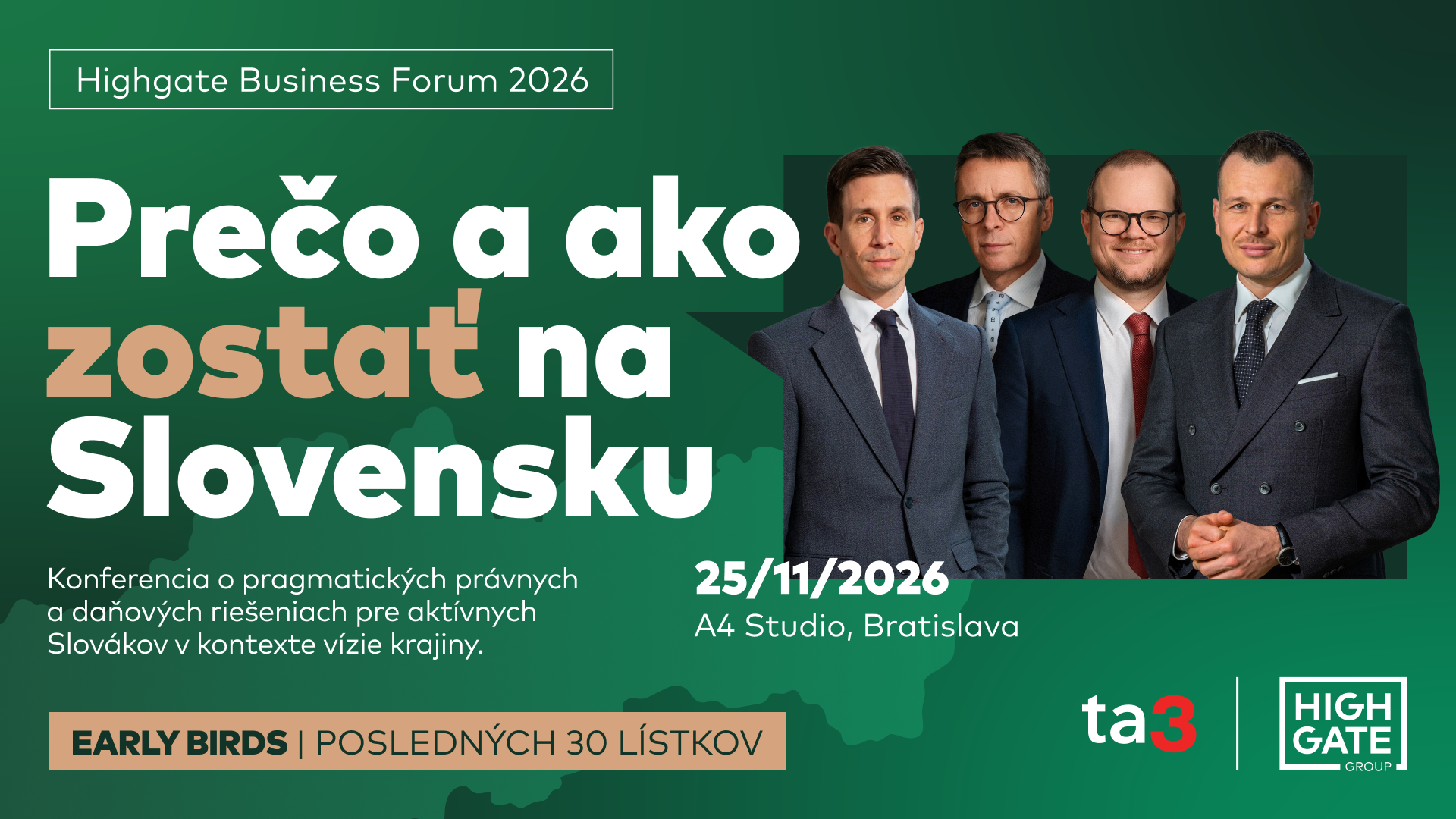
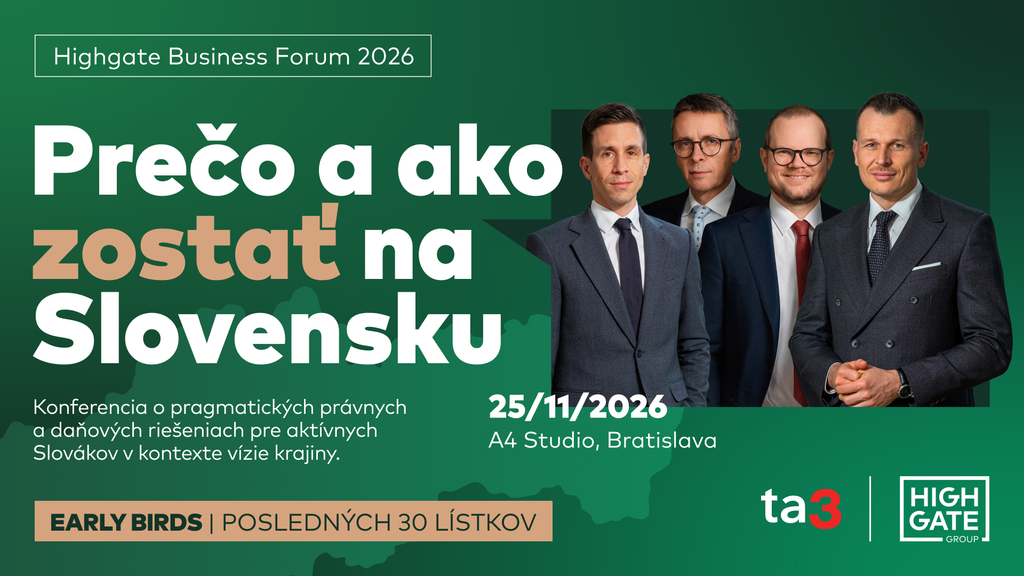
The line between legal tax optimization and actions that may pose legal or tax risks will be one of the practical topics discussed at our conference, “Why and How to Stay in Slovakia?”, which will take place on November 25, 2026, in Bratislava. We will focus, for example, on how to effectively withdraw funds from a company, how to manage the use of company assets, offshore structures, and where the risk of criminal liability begins in the context of tax optimization.
For more information about the program, speakers, and tickets, can be found on the conference website.
If you are interested in this topic, please do not hesitate to contact us:
If you are interested, you can subscribe to our newsletter for interesting practical legal and tax information.
You can address your specific questions in a consultation with our partner Peter Varga, who specializes in financial regulation and tax law. You can book a consultation here: