

Many companies today are looking for ways to retain top talent. Employee stock options or company shares are often presented as a suitable solution. However, practice shows that the motivations of employees and contractors are more complex than Silicon Valley presentations suggest. Peter Varga and Tomáš Demo discussed why many ESOPs in Slovakia face legal, tax, and motivational limitations, and what alternative compensation models companies are using today, in our Highgate Talks podcast #43.
Companies in Slovakia are increasingly considering how to motivate key employees to commit to long-term collaboration. That is precisely why the topic of ESOPs, employee stock options, and various equity participation schemes is a key focus for both start-ups and established companies.
At Highgate Group, we have long been dedicated to this area, and when designing incentive compensation systems for our clients, we analyze not only legal and tax issues but also the practical feasibility of individual models.
The Slovak labor market is currently in a situation where many companies are competing for top talent. Employers are therefore naturally looking for new ways to boost motivation and loyalty.
The problem, however, is that not every employee views a stake in the company as an attractive benefit. Our experience shows that a significant number of people would prefer a higher income today over potential returns sometime in the future.
For many people, a stake in a company is an abstract concept. Employees often find it difficult to estimate:
That is precisely why, in practice, it often turns out that simply allocating a stake does not automatically create motivation or loyalty.
You can watch the full Highagte Talks #43 podcast with Tomáš Demo and Peter Varga on ESOP programs in Slovakia here:
When we talk about an ESOP, we’re not referring to a single specific solution. There are several ways to set up such a compensation system.
The most common ones we encounter are:
Each of these models has its own advantages and disadvantages. There is no one-size-fits-all solution that would work for every company.
It is very important to distinguish between companies that are established for the purpose of a future sale (so-called “exit-driven” companies) and companies that are built without the direct intention of a sale and aim to generate ongoing profits and dividends for existing owners and beneficiaries of an ESOP program (so-called “dividend-driven” companies). What makes sense for a scalable startup may not be suitable for a stable family-owned or manufacturing company.
This is where the biggest problem with Slovak ESOPs begins.
Many models that work in the U.S. or Western Europe cannot simply be transferred to the Slovak context. Slovak commercial law and tax regulations raise a number of practical questions and challenges when setting up ESOP plans.
A common topic, for example, is the taxation of shares received by employees or contractors free of charge. If a recipient receives shares or an equity interest for free, the question arises as to whether this constitutes taxable income and exactly when it should be taxed.
Another issue is the legal enforceability of certain provisions. Companies often assume that when an employee leaves (for example, in a so-called “bad leaver” situation), they will simply get the shares back. However, if the beneficiary refuses to cooperate, such a retransfer can be more complicated and, in some cases, may even end up in court with a lawsuit seeking to compel the uncooperative beneficiary to comply.
That is precisely why it is necessary to take a comprehensive view of an ESOP. The legal, tax, and practical aspects of its implementation are all important.
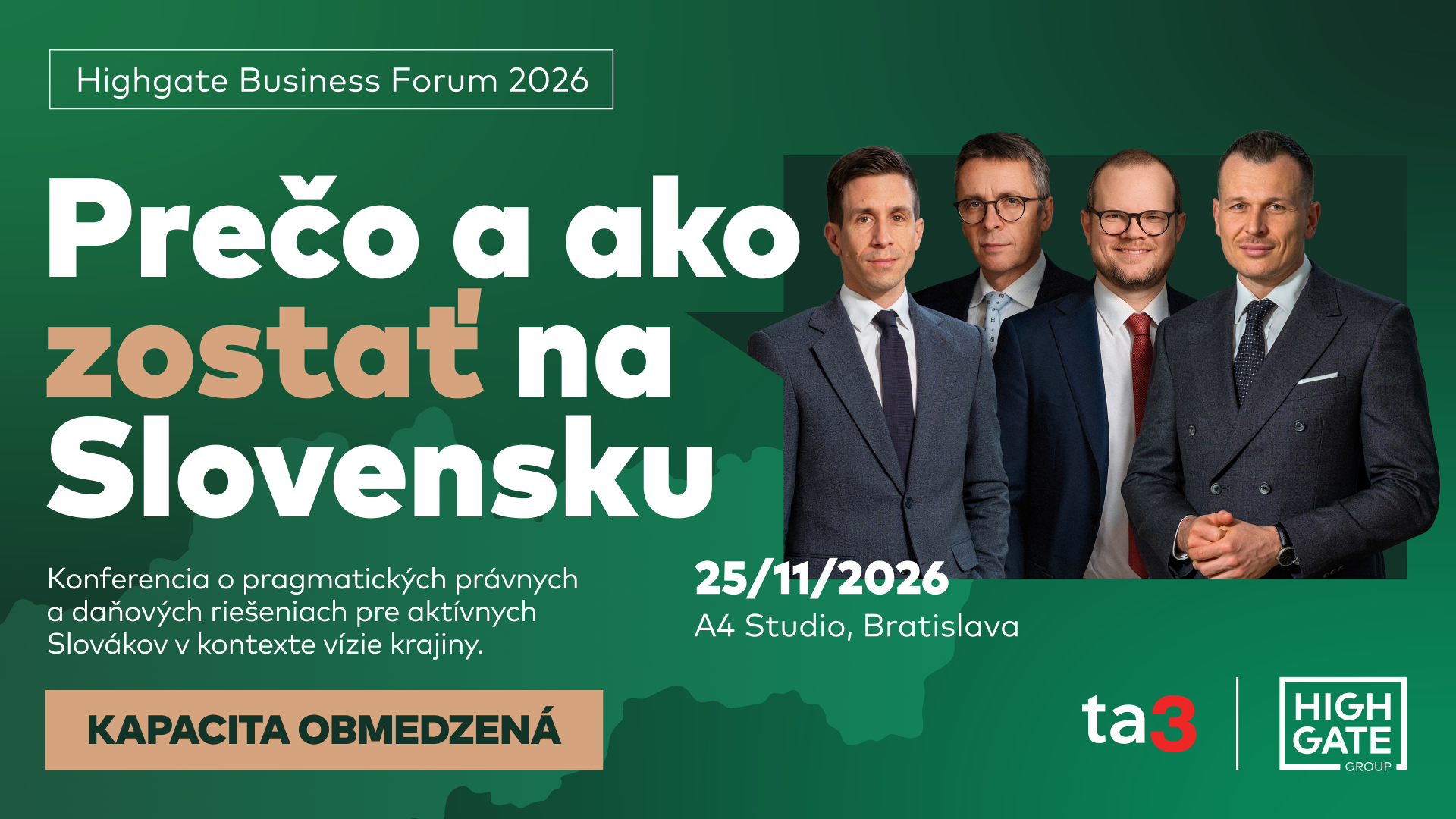
Chcete vedieť, ako nastaviť ESOP tak, aby fungoval aj v slovenskej realite? Tejto téme sa budeme podrobne venovať na našej pripravovanej konferencii Prečo a ako zostať na Slovensku?, kde predstavíme praktické riešenia z oblasti práva, daní a podnikania. Využite poslednú možnosť zakúpiť si vstupenku za zvýhodnenú Early Birds cenu. Z druhej vlny zostáva už len niekoľko vstupeniek.
The biggest mistake is often trying to approach an ESOP solely from a legal or tax perspective.
A successful incentive system must combine:
That is precisely why, when setting up employee stock ownership plans within the Slovak context and legal and tax environment, it is not always possible to rely on universal models from abroad. Every company needs a customized solution that takes into account its ownership structure, business model, planned growth, and the structure and expectations of its employees.
At Highgate Group, when designing ESOPs and incentive systems, we take a comprehensive approach to the issue, considering legal, tax, and business realities. After all, the goal is not to create a system that looks good on paper, but one that will actually work in practice.
We are the Highgate Group, modern advisors for your law, tax and accounting under one roof.
If you are interested in this topic, please do not hesitate to contact us:
You can find more information about employee incentive programs on our website in this section: Venture Capital, Private Equity, and M&A
If you are interested, you can subscribe to our newsletter for interesting practical legal and tax information.
You can address your specific questions during a consultation with our partner, Tomáš Demo, who also specializes in the design and implementation of incentive plans for employees and contractors (ESOP) under the law. You can schedule a consultation here: