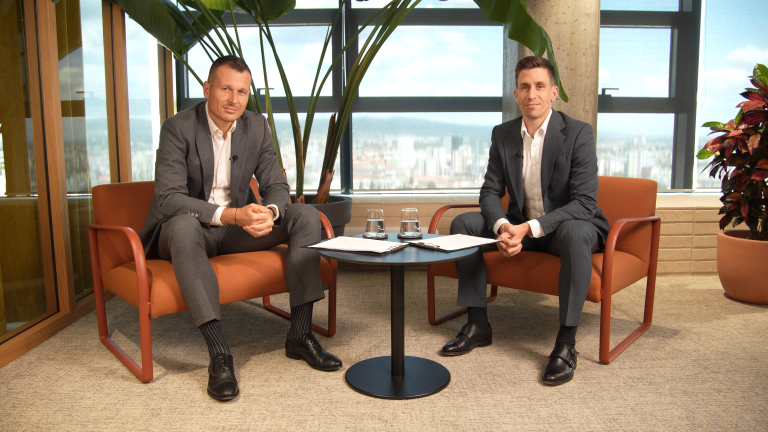
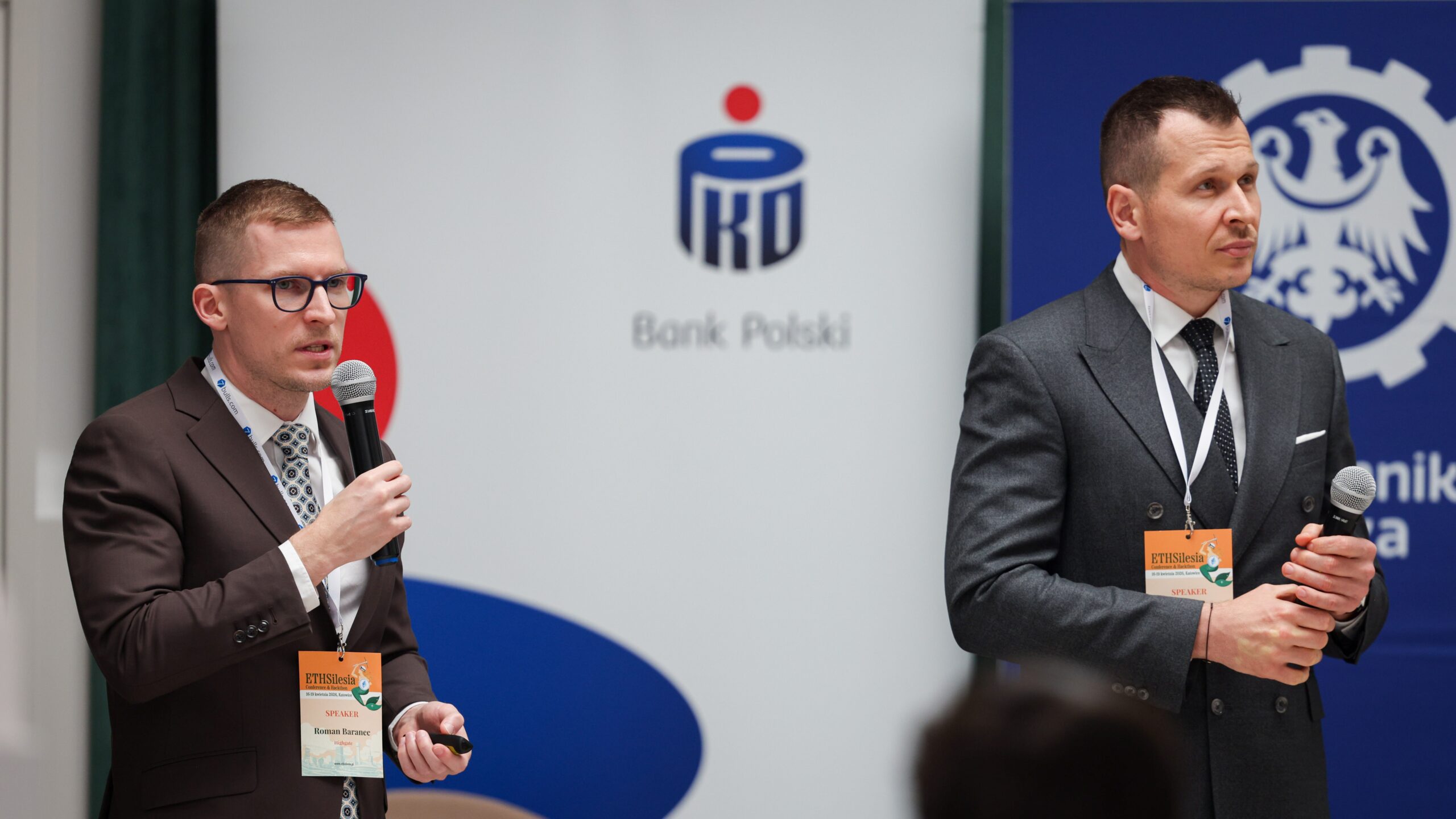
At the ETH Silesia conference, Peter Varga and Roman Baranec from Highgate Group shared practical insights into CASP licensing under MiCA Regulation and explained why Slovakia is becoming an increasingly attractive jurisdiction for crypto businesses. With relatively low competition, pragmatic regulator, and flexible structuring options, Slovakia is emerging as a serious alternative within Central and Eastern Europe.
Until the end of 2024, operating a crypto business in Slovakia was relatively straightforward under trade licensing. However, with the introduction of MiCA Regulation in EU, the regulatory environment has significantly evolved.
Today the situation is the following:
This creates a favourable application environment, particularly where the application is properly prepared and aligned with regulatory expectations.
From our experience at Highgate, we have advised on more than 50% of successful applications, and we still actively advise in applications for the provision of crypto-asset services including to cross-border clients.
The CASP licensing process in Slovakia is based on the EU-wide MiCA framework, while certain practical aspects may differ in implementation.
Key phases are:
1. Pre-licensing meeting with the National Bank of Slovakia (it’s not obligatory but we recommend it once the application is in advanced state of preparation).
2. Submission of application.
3. Completeness assessment (most demanding phase).
4. Full assessment and fine-tuning.
5. License issuance and EU passporting.
Timeline of the licensing proceedings:
A key advantage is the regulator’s openness to dialogue. Meetings are possible when necessary, ad-hoc communication can take place to address any unclear issues and English is accepted for example in case of technical documentation.
Since early 2026, Slovakia has tightened substance requirements, but they remain still manageable.
Minimum setup includes:
As for organizational framework, the smaller CASPs in Slovakia are structured as follows:
This makes Slovakia particularly attractive for startups and smaller crypto businesses.
One of the most important aspects is tax structuring flexibility.
For CASPs the following tax rules apply:
It is possible to structure the CASP as a non-Slovak tax resident, while still being regulated in Slovakia. This means a CASP can hold a Slovak license, operate under Slovak supervision, and at the same time optimize taxation internationally.
Across all applications (including the one for CASP licence), regulator consistently focuses on:
While for example internal policies can be adjusted during the licencing proceedings, the ownership structure and funding sources must be set up correctly from the beginning.
Slovakia combines EU passporting access, cost efficiency, and practical regulator approach.
For many applicants, subject to comply with substance requirements, it represents a balanced entry point into the European crypto market.
If you want to learn more, full video from the ETH Silesia event featuring Peter Varga and Roman Baranec is available here:
If you are interested in this topic, please do not hesitate to contact us:
You can find more information on Crypto and legal and tax structures on our website in this section: Crypto and legal and tax structures
If you are interested, you can subscribe to our newsletter featuring interesting practical legal and tax information.
You can address your specific questions during a consultation with our partner Peter Varga, who specializes in the field of financial regulation and tax law. You can book a consultation here: